
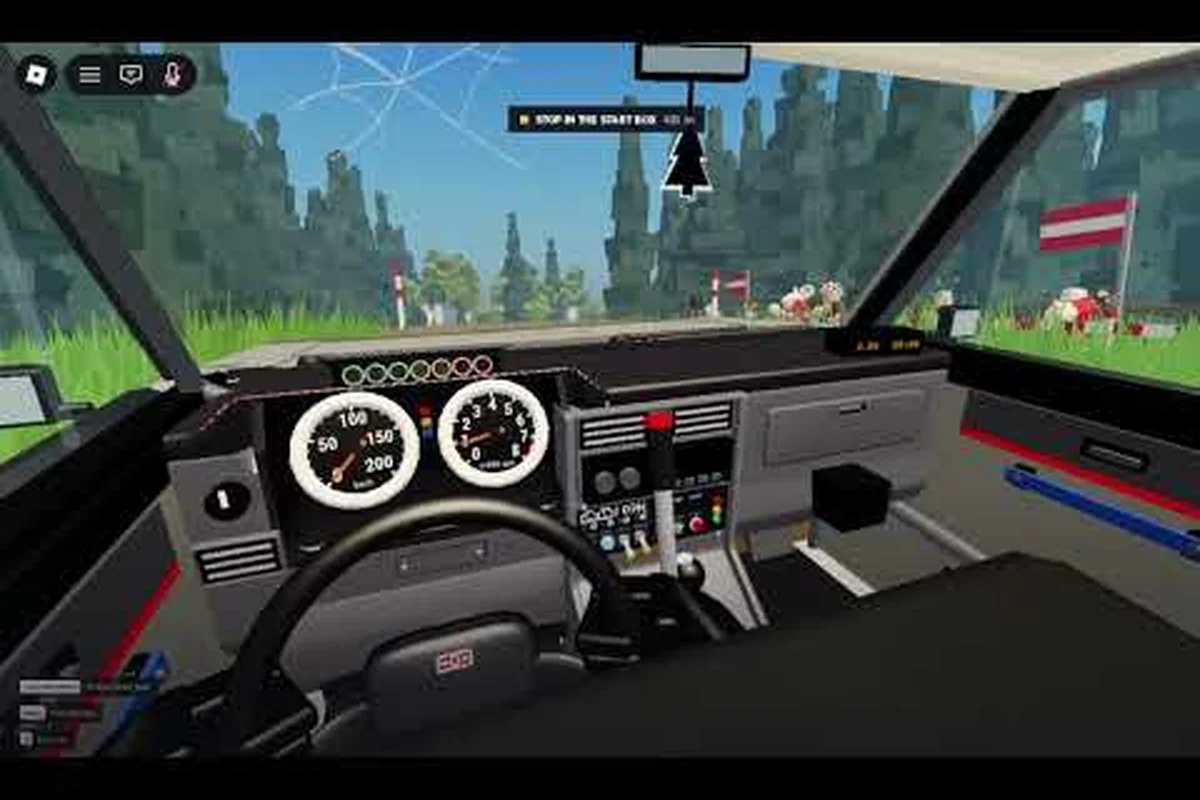
Backseat Rally buy cars decisions matter because the right ride can make every race easier to learn. A useful Backseat Rally car comparison should weigh purchase price against top speed, acceleration, and handling, since each stat affects a different part of cornering and staying on the road. For example, a faster car may help on straights, but a vehicle with stronger handling can be easier to control through tight turns. Check the Backseat Rally vehicle list and car speed ratings before spending your hard-earned credits on a Backseat Rally new car.
Backseat Rally Buy Cars: A Smarter Garage Strategy
Buying a car in Backseat Rally is more than selecting the fastest-looking vehicle. A car can have excellent straight-line speed yet feel difficult around corners, while a balanced machine may earn better results across mixed tracks. Your budget, preferred racing style, and the competition ahead all shape the right choice.
The core Backseat Rally buy cars question is not simply which vehicle has the largest number, but which benefits you can consistently use. A new player may prefer forgiving handling, whereas a confident racer can exploit a sharper vehicle with exceptional acceleration.
| Purchase priority | Main benefit | Best fit |
|---|---|---|
| Lowest practical cost | Preserve credits for other upgrades | Beginner or repeat buyer |
| Balanced performance | Useful speed and control | General racing |
| Maximum top speed | Strong runs on open tracks | Speed-focused racer |
| High handling | Confidence in tight sections | Technical tracks |
| Strong acceleration | Quick recovery from slow starts | Competitive racers |
Purchase goal is the useful unit for this guide: a new vehicle should improve a weakness without creating a larger problem elsewhere. Before clicking buy, check the displayed price, compare the relevant stats with your current car, and imagine how those numbers will feel on the next course.
Separate Price From Long-Term Value
A low purchase price is attractive, but the cheapest car is not automatically the best value. A slightly more expensive option can be worthwhile when it delivers usable handling or acceleration without sacrificing too much speed. Conversely, paying a premium for extreme top speed is inefficient if your usual races demand frequent corner entry and tight spacing.
The credit-efficiency threshold is the point where a vehicle earns enough extra performance to justify its cost. Because the available roster and prices can change, check the in-game purchase screen at the time you shop. Treat any figures you encounter elsewhere as community observations until confirmed by the game interface.
The budget guard prevents impulse buying when you choose among the latest Backseat Rally vehicles. Set a maximum price before opening the vehicle list, then compare every eligible car’s speed and handling against that ceiling. For example, if two cars fall within the same budget, favor the one with stronger cornering and acceleration for frequent close-quarters races rather than paying extra for a higher top speed; a fixed price limit also makes it easier to recognize a genuine upgrade.
Backseat Rally Car Speed and Handling Comparisons
A useful Backseat Rally car comparison needs more than a single top-speed ranking. Speed covers acceleration, straight-line pace, and the feeling of momentum, while handling determines how readily the car changes direction and holds a racing line. A vehicle can excel in one area while being difficult to control in the other.
Use the values currently shown in the garage to make your own comparison, checking top speed, acceleration, and handling together rather than selecting a Backseat Rally new car by one headline number. For example, a vehicle with a lower top speed but quicker acceleration may suit short, crowded courses where frequent contact slows momentum. Community testing can reveal differences between versions, but it should not replace your garage’s live stats because balance updates and platform differences may change how each Backseat Rally vehicle handles.
| Stat category | What it affects | Common mistake | Better buying approach |
|---|---|---|---|
| Top speed | Performance on longer straights | Buying only by maximum speed | Check whether the course has enough open road |
| Acceleration | Recovery after corners or contact | Ignoring launch and recovery needs | Pair speed with your typical traffic pressure |
| Handling | Cornering and direction changes | Assuming a fast car is also forgiving | Test steering response before upgrading |
| Overall balance | Consistency across varied races | Chasing one extreme stat | Favor small improvements in multiple areas |
Handling confidence is often more valuable than raw pace during early progression. A car that responds predictably lets you brake earlier, carry momentum through bends, and recover from mistakes without losing substantial time. The official Backseat Rally store listing can confirm the game’s core racing context, while current vehicle information should come from the live garage interface.
Evaluate the Backseat Rally Vehicle List by Role
The Backseat Rally vehicle list is best treated as a collection of roles rather than a single ladder. Depending on the cars available in your account, you may encounter dedicated speed machines, agile compact cars, or balanced all-rounders. Availability can also depend on progression, so the most reliable list is the one in your own purchase menu.
A Backseat Rally car comparison becomes much clearer when you assign each option a use: compare the cars in your purchase menu by top speed, steering response, and overall stat balance instead of looking for one universal winner. For example, a speed specialist may suit open stages where maintaining the highest top speed matters more than rapid direction changes, while a handling specialist is more practical on technical, twisty tracks where steering response determines corner exits. If neither extreme fits a mixed track, a balanced option can reduce the cost of choosing for the wrong stage, and a budget starter preserves your funds while you learn how a car’s acceleration and handling behave across different routes.
| Vehicle role | Strength to prioritize | Weakness to accept | Best purchase reason |
|---|---|---|---|
| Speed specialist | Top speed | Less responsive steering | Open or straight-heavy stages |
| Handling specialist | Steering response | Lower straight-line speed | Technical, twisty stages |
| Balanced option | Even stat spread | No extreme specialty | Mixed tracks and uncertain races |
| Budget starter | Affordable price and usable control | Limited top-end pace | Learning routes while saving funds |
Roster rotation may affect what is available, so avoid buying solely because a community guide names a vehicle. The Backseat Rally all-cars reference can help you organize the names you see, but your garage screen remains the final source for current availability and purchase details.
How Top Speed Changes a Race
Top speed is most useful when a course contains long straights, gentle bends, and enough open space to maintain momentum. It matters less on a technical track where cars slow each other, tire marks cover the ideal line, or drivers must brake sharply. A vehicle that reaches a high maximum but accelerates poorly can still lose time after every bend.
Straight-line specialist is the label for a car whose purchase case depends on maintaining a high maximum pace. If that matches your preferred course, the vehicle may be worth a premium. If you often race on compact layouts, save your credits for more balanced performance.
When comparing backseat rally cars, do not treat the listed top speed as the full verdict: examine how quickly each car reaches that figure, how it behaves after a collision, and whether it can exit a corner without understeer or a sudden slide. A car with a 200 km/h maximum but weak acceleration may still lose ground at every hairpin, while a stable 180 km/h option can deliver a better time if its pace remains consistent through technical sections.
Why Handling Can Beat Extra Speed
Handling determines how confidently you can enter a corner, rotate the car, and return to the racing line. Players often describe a responsive vehicle as easier to control, but the exact feeling may vary with your equipment and current patch. That makes hands-on testing more reliable than a universal claim about one named car.
Direction-change response is especially valuable when opponents crowd the inside line. If you can steer without a long correction, you avoid losing time in traffic and make fewer mistakes on technical sections. A lower-priced balanced car can therefore outperform a premium speed machine for many players.
For a separate view of how vehicles perform by speed and handling, the race-focused car tier list provides a useful second reference before you commit your credits. Its race rankings can help identify cars that hold their line through quick direction changes, where steering response matters more than a headline top speed. Use that list alongside your own comparison of the backseat rally buy cars available in the vehicle shop, especially if your usual routes involve tight corners and close overtaking.
Choosing the Best Backseat Rally New Car
A Backseat Rally new car should solve a specific need. If your present vehicle feels slow on long straights but still corners well, seek acceleration and top speed. If it drifts or reacts unpredictably, prioritize handling. If it performs adequately in every area, keep it and bank your credits for the next upgrade.
| Your current car feels | Buy toward | Purchase decision |
|---|---|---|
| Fast on straights, awkward in corners | Handling and response | Strong upgrade for technical racing |
| Quick through corners, too slow afterward | Acceleration and top speed | Better for open race layouts |
| Weak everywhere | Balanced stat profile | Safest general upgrade |
| Good but outdated | Affordable direct improvement | Upgrade only when the gap is meaningful |
| Great for one course type | Role-specific specialist | Buy only if that course type is common |
One-dimensional upgrade delivers a large gain in a single stat. A broad upgrade improves several qualities at once and is usually easier to use. The second type tends to be more forgiving because it does not demand a complete change in driving style.
Match the Car to Your Course
Course design is the strongest filter for a purchase. Long routes reward sustained pace, while compact circuits make acceleration and handling more valuable. Mixed events require a vehicle that does not feel sluggish after a sharp bend. If you cannot identify the course, a balanced model is the lower-risk choice.
| Course characteristic | Stat priority | Purchase reason |
|---|---|---|
| Long straights | Top speed | More distance covered at full pace |
| Repeated tight corners | Handling | Faster, cleaner direction changes |
| Frequent traffic | Acceleration and control | Better recovery and positioning |
| Mixed layouts | Balanced performance | Fewer weaknesses across the event |
| Beginner progression | Forgiving control | Faster learning with fewer mistakes |
Course-based fit prevents you from buying a specialized car for the wrong event. In a tight, contact-heavy layout, handling and acceleration can outweigh raw top speed: a vehicle that reaches its limit early may lose time on corner entry, position recovery, and avoiding traffic. For example, a high-top-speed car may feel ideal on a long straight, but a more balanced car is often easier to control when opponents force frequent contact. The right choice is therefore the one whose strongest attributes match the specific track rather than the highest headline rating.
The vehicle stats reference can help you interpret the garage numbers before committing to a Backseat Rally car, including how top speed and handling affect broader rankings. Compare the listed figures with your target course: a high top-speed rating may help on long straights, but stronger handling can reduce time lost in repeated corners, traffic, and contact. This makes the reference a useful screening tool when comparing a backseat rally new car against established favorites without relying on a single headline stat.
Set a Three-Tier Buying Plan
A three-tier plan makes the Backseat Rally buy cars process more deliberate. Keep a reserve for your next meaningful upgrade, identify a mid-range improvement, and only then consider a premium purchase. This structure reduces the chance of buying a slightly better car when a much larger upgrade is available.
| Tier | Buying target | Best reason to choose it |
|---|---|---|
| Reserve tier | Stay with current vehicle | Preserve funds until a clear upgrade appears |
| Upgrade tier | Better all-around performance | Improve most races without specialization |
| Specialist tier | Exceptional speed or handling | Dominate a course type you regularly race |
Upgrade gap is the practical difference between your current car and a candidate, measured in the attributes that shape Backseat Rally races: top speed, acceleration, grip, and handling. A move from the Reserve tier to the Upgrade tier may matter more than a shinier premium model if it improves all-around performance across varied courses. Conversely, paying substantially more for a specialist car is difficult to justify when it only adds exceptional speed or handling for a narrow course type you rarely race.
Backseat Rally Cars Ranked by Practical Value
The most useful Backseat Rally cars ranked list depends on purpose. A speed specialist may sit near the top for an open course but fall far enough down a technical track to be a poor purchase. Ranking by versatility usually serves players better than treating one vehicle as universally dominant.
| Practical rank | Car type | Handling | Speed | Purchase verdict |
|---|---|---|---|---|
| 1 | Balanced all-rounder | Solid | Solid | Best default for mixed racing |
| 2 | Beginner-friendly favorite | Strong | Moderate | Easiest progression choice |
| 3 | Speed specialist | Limited | Exceptional | Excellent on open stages |
| 4 | Handling specialist | Exceptional | Limited | Excellent on technical stages |
| 5 | Premium marginal upgrade | Varies | Varies | Buy only for a clear personal need |
Versatility rank rewards a car that can handle varied tracks, not merely a car that reaches an impressive maximum. Community data can reveal player preferences, but only live testing should confirm the current balance of the Backseat Rally buy cars market.
Use a Personal Scoring System
Give each candidate a simple score from one to five in the categories that matter to you. Include price, speed, handling, and confidence. Weight confidence more heavily for beginners because a usable car teaches better than a demanding one that rarely feels controllable.
| Criterion | Suggested weight | Questions to ask |
|---|---|---|
| Performance | 30% | Which stats improve over my current car? |
| Handling | 25% | Can I turn in and stabilize the car? |
| Value | 25% | Is the performance gain worth the price? |
| Course fit | 20% | Will I use it on the tracks I race? |
Personal weighting corrects for the fact that not every Backseat Rally race rewards the same attribute. A balanced vehicle is a smart default when its performance, handling, and value ratings are close, but a specialist can justify a higher price when its strength matches your 20% course-fit category—for example, favoring top speed on open circuits while accepting weaker turning for tight mixed-surface tracks. Higher confidence also means you can exploit the car consistently; low confidence adds lost time through spins, missed controls, and slower corner exits.
For a broader ranking by tier, compare your shortlist with the Backseat Rally tier list. Use each car’s listed top speed and handling profile to test whether its tier justifies the purchase price: a lower-tier car may suit mixed-surface courses if it corners predictably, while a higher-tier car offers little benefit if you cannot control its extra speed. Filter the comparison by the tracks in your event schedule, then let your weighted score—not the tier label alone—determine the best Backseat Rally car.
Know When Not to Buy
Waiting is sometimes the strongest purchasing strategy. Do not buy if the improvement is too small to feel, if you need the credits for another upgrade, or if a more relevant car is about to become available. Avoid buying because a purchase banner caught your attention; compare the new option with the car you already own.
Patient capital remains valuable because a discount or rotation can improve the selection later. If no candidate offers a meaningful gain, keep your current car and continue practicing. Better driving can improve results immediately, while a poorly chosen purchase only consumes resources.
Practical Steps to Make Your Next Purchase
Buying a car in Backseat Rally becomes easier when you follow a repeatable process. First, establish the role you need. Next, check the price and live stats. Compare the candidate against your current vehicle, test it if possible, and make a final decision based on expected value rather than appearance.
| Step | Action | Reason |
|---|---|---|
| 1 | Identify the most common race type | Determines whether speed or handling matters more |
| 2 | Set a firm credit ceiling | Prevents budget-breaking impulse purchases |
| 3 | Review the garage list | Confirms current names, prices, and availability |
| 4 | Compare key stats | Reveals the real upgrade over your current car |
| 5 | Test-drive when available | Confirms that the car suits your control style |
| 6 | Buy only if the gain is clear | Preserves credits and reduces regret |
Purchase checklist should include price, acceleration, top speed, handling, and course suitability. If a candidate cannot be justified by those fields, it is not yet a worthwhile purchase. This process also makes it easier to notice when a sale changes the order of the list.
Verify the Live Garage Before Spending
The game interface is the best authority for current costs and stats because values can change with updates. Take a screenshot or note the price before confirming, and check the purchase confirmation screen for the correct vehicle. This small step helps prevent buying the wrong item when several cars look similar.
Live price check should occur immediately before payment. A guide that names a bargain from an earlier patch may no longer be accurate, and the Backseat Rally car meta guide is best used for strategic context rather than as a fixed price sheet.
Learn the Difference Between Upgrade and Replacement
Buying a car should improve your racing experience, but replacing a good vehicle can still be worthwhile when the new car addresses a specific weakness. Keep a short record of your current car’s strong and weak points. For example, if you repeatedly lose time on long straights, a faster vehicle with acceptable corners may deliver the largest practical gain.
Weakness-first purchase is more rational than upgrading every stat at once. It also reduces the temptation to buy a premium car that is merely different. If a candidate solves a problem you actually experience, its value becomes easier to measure.
Prepare for a Roster Change
Backseat Rally’s available cars can change, so maintain a short list of desired roles rather than one fixed dream car. Note an affordable balanced option, a specialist you enjoy, and a high-end purchase you can justify. When a rotation presents one of those choices, you can act without rushing.
Flexible shortlist also keeps your strategy stable when prices shift. Instead of chasing whichever vehicle is newest, compare each candidate’s speed and handling against the performance gaps in the races you expect to enter; for example, a balanced car may suit a mixed event, while a specialist with stronger cornering can be the better backseat rally buy for twisty tracks. Set a maximum budget and revisit the shortlist only when a price change creates a clear value advantage, so a new car earns its place through fit rather than hype.
Backseat Rally Buy Cars: Final Purchase Advice
The best Backseat Rally buy cars choice is the vehicle that offers a meaningful improvement at a price you can sustain. Balanced cars are the safest default, speed specialists reward open courses, and handling-focused cars help players who struggle with direction changes or traffic.
Before confirming a Backseat Rally new car, compare the live price and stats with your current vehicle, then score the upgrade by performance, value, and course fit. Save your credits when no clear gain exists. A deliberate purchase is more useful than a rushed upgrade, and patient accumulation often leads to a better car later.
Frequently Asked Questions
What is the best car for beginners in Backseat Rally?
The best beginner car is usually the most balanced or forgiving option in the live garage. Prioritize predictable handling, manageable acceleration, and a price that leaves room for future upgrades. Avoid chasing maximum speed if you cannot control the vehicle comfortably, because a car that suits your driving style will produce more consistent practice.
How do I compare cars before buying one in Backseat Rally?
Compare the candidate car with your current vehicle in four areas: price, acceleration, top speed, and handling. Then weigh those differences against the course types you race most often. Use the Backseat Rally car comparison on the purchase screen rather than relying only on a community ranking, because live prices and balance can change.
Should I buy a speed car or a handling car in Backseat Rally?
Choose a speed car when you frequently race on open layouts with long straights and fewer tight corners. Pick a handling car when technical sections, traffic, and quick direction changes are common. If your routes vary widely, a balanced vehicle usually offers the better all-around value and requires fewer changes in driving style.
Is the most expensive car always the best purchase in Backseat Rally?
No. The most expensive vehicle is worthwhile only when it provides a meaningful improvement for your preferred courses or addresses a weakness in your current car. A moderately priced balanced option can outperform a premium specialist in races that demand versatility. Set a budget first and judge each upgrade by the value it delivers.
How often should I change cars in Backseat Rally?
Change cars when a new option offers a clear, felt improvement over your current vehicle, not simply because it has a higher price or newer appearance. You can also wait for a roster change if your current car meets your needs. Regular track practice remains valuable, so avoid replacing a capable car simply to postpone improving your driving technique.